
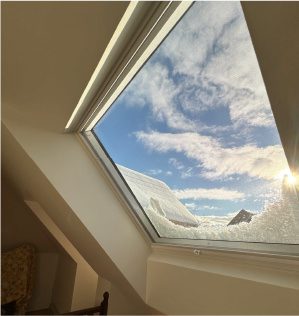
Skylights can add tremendous value to a home by bringing in natural light, improving ventilation, and making interior spaces feel brighter and more open. But because skylights create an opening in the roof, their long-term performance depends heavily on one critical component: flashing.
For homeowners in Gloucester, where roofs must handle rain, snow, ice, freeze-thaw cycles, and strong seasonal weather, professional skylight flashing is essential. Even a high-quality skylight can develop leaks if the flashing around it is poorly installed, damaged, or incompatible with the surrounding roofing system.
Understanding how skylight flashing works and why professional installation matters can help homeowners avoid water damage, protect their roofs, and extend the life of their skylight systems.
What Is Skylight Flashing?
Skylight flashing is the system of metal or waterproof materials installed around the skylight where it meets the roof.
Its job is to direct water safely around the skylight and down the roof instead of allowing moisture to enter through the roof opening.
A properly installed flashing system works with:
- Roofing shingles
- Underlayment
- Ice and water protection
- Roof decking
- Skylight frames
All of these components must work together to keep the installation watertight.
Why Flashing Is So Important
The edges around a skylight are naturally vulnerable because they interrupt the continuous surface of the roof.
Without proper flashing, rainwater can work its way underneath shingles and into the roof assembly.
Professional flashing helps:
- Redirect water away from the skylight
- Protect the roof opening
- Reduce leak risk
- Protect roof decking
- Preserve insulation
- Prevent interior water damage
It is one of the most important parts of any skylight installation.
Gloucester Weather Makes Proper Flashing Even More Critical
Gloucester homes experience challenging weather throughout the year.
Heavy Rain
During strong storms, large amounts of water can move quickly across the roof.
Flashing must guide that water around the skylight efficiently.
Snow and Ice
Snow can accumulate around skylights during winter.
As temperatures rise, melting snow creates significant water flow.
If flashing is damaged or improperly installed, that water may enter beneath surrounding roofing materials.
Freeze-Thaw Cycles
Ottawa winters often include repeated freezing and thawing.
Water that enters small gaps can freeze, expand, and gradually make those gaps larger.
Over time, this can weaken seals and flashing systems.
Poor Flashing Is a Common Cause of Skylight Leaks
Many homeowners assume that a leaking skylight means the glass or skylight itself has failed.
In reality, flashing problems are often responsible.
Possible issues include:
- Incorrect installation
- Loose flashing
- Damaged metal sections
- Missing components
- Improper overlap
- Aging sealants
- Roofing deterioration around the skylight
A professional inspection can determine whether the leak is coming from the skylight, flashing, roofing, or another nearby area.
How Professional Flashing Works
A complete flashing system typically uses several pieces designed to move water in a controlled direction.
These may include:
- Head flashing above the skylight
- Side flashing along both sides
- Sill flashing below the skylight
- Step flashing integrated with shingles
Each component must overlap correctly.
Water should always move from the upper layers toward the lower layers without finding a path underneath the system.
That is why flashing installation requires careful sequencing and attention to detail.
Step Flashing and Shingle Integration
Step flashing is commonly used along the sides of skylights installed on shingle roofs.
Individual flashing pieces are layered with the shingles so water flows over each section rather than behind it.
When installed incorrectly, water may bypass the flashing and enter the roof assembly.
Professional installation ensures that flashing and shingles are integrated in the correct order.
Underlayment Adds Another Layer of Protection
Flashing should not be the only line of defense.
A properly installed skylight system often includes waterproof underlayment around the roof opening.
This extra layer helps protect against:
- Wind-driven rain
- Ice buildup
- Snowmelt
- Minor flashing vulnerabilities
In Gloucester’s climate, this added protection is especially valuable.
Protecting Roof Decking
Once water penetrates around a skylight, it may reach the roof decking.
Repeated moisture exposure can cause:
- Wood rot
- Swelling
- Structural deterioration
- Mold growth
Because decking is hidden beneath roofing materials, damage may continue for some time before homeowners notice visible symptoms.
Proper flashing helps prevent moisture from reaching these vulnerable structural components.
Preventing Ceiling and Drywall Damage
Skylight leaks often become noticeable indoors after water has already traveled through part of the roof system.
Homeowners may see:
- Brown ceiling stains
- Damp drywall
- Peeling paint
- Bubbling finishes
- Water dripping near the skylight
At that point, repairs may involve more than the roof.
Professional flashing helps prevent water from entering in the first place.
Protecting Attic Insulation
Water entering around a skylight can also damage attic insulation.
Wet insulation may:
- Lose thermal performance
- Compress
- Develop odors
- Support mold growth
This can affect both energy efficiency and indoor comfort.
Keeping the skylight properly sealed protects the insulation surrounding the roof opening.
Flashing Helps Preserve Energy Efficiency
A poorly installed skylight system can also create air leakage.
Gaps around the skylight may allow:
- Warm air to escape during winter
- Hot air to enter during summer
- Drafts around the skylight opening
Professional installation helps create a tighter building envelope while protecting against moisture.
Why Sealant Alone Is Not Enough
One common mistake is relying too heavily on caulking or roofing sealant to stop a skylight leak.
Sealant can sometimes provide temporary protection, but it is not a substitute for a properly designed flashing system.
Over time, sealant can:
- Crack
- Shrink
- Separate
- Deteriorate under UV exposure
A properly installed flashing system manages water mechanically rather than relying entirely on surface sealants.
Warning Signs of Flashing Problems
Homeowners should schedule an inspection if they notice:
- Water stains around the skylight
- Leaks after heavy rain
- Damp drywall
- Visible flashing damage
- Loose shingles around the skylight
- Recurring repairs in the same area
Repeated leaking is especially concerning because it may indicate a deeper flashing or roof integration problem.
Flashing Problems Can Affect Surrounding Shingles
Water that enters around a skylight can spread beneath nearby roofing materials.
This may lead to:
- Shingle deterioration
- Damaged underlayment
- Roof deck problems
- Larger leak areas
Addressing flashing early can help protect the roof beyond the skylight itself.
Professional Installation Matters More Than Product Quality Alone
Choosing a high-quality skylight is important, but even the best product depends on proper installation.
Professional installers understand how to integrate the skylight with:
- Roof pitch
- Roofing materials
- Underlayment
- Flashing kits
- Drainage patterns
This ensures the system performs as one complete roofing assembly.
Flashing During Skylight Replacement
When an older skylight is replaced, the flashing should be evaluated carefully rather than automatically reused.
Older flashing may be:
- Bent
- Corroded
- Incompatible with the new skylight
- Worn from years of exposure
Installing a new skylight with a compatible new flashing system provides better long-term protection.
Roof Replacement Is a Good Time to Review Skylight Flashing
If a roof replacement is already planned, it is an ideal opportunity to inspect the skylight system.
Contractors can evaluate:
- Skylight condition
- Existing flashing
- Waterproof underlayment
- Roof deck condition
- Surrounding shingles
If the skylight is aging, replacing it at the same time can help create a more integrated roofing system.
Flashing for VELUX Skylights
Modern VELUX skylight systems are designed to work with specific flashing kits based on roof type and installation conditions.
Using the appropriate flashing system helps ensure:
- Correct water drainage
- Proper roof integration
- Long-term performance
- A clean finished appearance
Professional installers can determine which flashing configuration is suitable for the specific roof.
Sun Tunnels Also Require Proper Roof Integration
Although Sun Tunnels are smaller than traditional skylights, they still penetrate the roofing system.
Their roof components also require:
- Correct flashing
- Waterproofing
- Proper placement
- Secure installation
Any opening in the roof must be treated carefully to maintain leak protection.
Why DIY Skylight Flashing Can Be Risky
Skylight flashing may look simple from the outside, but proper installation depends on precise layering.
Common DIY mistakes include:
- Incorrect overlap
- Improper shingle integration
- Too much reliance on sealant
- Missing waterproofing
- Wrong flashing materials
- Poor drainage planning
These mistakes may not cause immediate leaks but can create problems months or years later.
Professional Inspection Can Identify Hidden Damage
Leaks do not always occur directly beneath the visible problem area.
Water can travel along:
- Roof decking
- Rafters
- Underlayment
- Interior framing
A professional inspection can trace the moisture pathway and identify the actual source.
This prevents unnecessary repairs and helps ensure the real problem is corrected.
Preventive Maintenance Helps Extend Skylight Life
Homeowners can help protect skylight flashing through regular roof maintenance.
Useful steps include:
- Keeping debris away from the skylight
- Inspecting after severe storms
- Checking nearby shingles
- Monitoring interior ceilings
- Scheduling professional roof inspections
Early detection can prevent a minor flashing issue from becoming major water damage.
Why Gloucester Homeowners Should Take Flashing Seriously
For Gloucester homeowners, skylight flashing is not a minor detail. It is one of the main systems protecting the roof opening from water intrusion.
Professional flashing installation can help:
- Prevent leaks
- Protect roof decking
- Preserve insulation
- Reduce interior water damage
- Support energy efficiency
- Extend roof life
- Improve skylight reliability
Considering Gloucester’s seasonal weather, this protection is especially important.
Conclusion
Professional skylight flashing is essential for protecting Gloucester homes from leaks and water damage. A skylight creates an opening in the roof, and the flashing system is responsible for safely directing rainwater, snowmelt, and moisture around that opening.
When flashing is installed correctly, it works with shingles, waterproof underlayment, roof decking, and the skylight itself to create a durable and reliable system. When flashing is damaged, outdated, or improperly installed, even a high-quality skylight can become vulnerable to leaks.
Whether you are installing a new skylight, replacing an older unit, repairing a leak, or planning a roof replacement, professional flashing should always be part of the conversation. Proper installation today can help prevent costly water damage tomorrow while protecting your roof, skylight, and home for years to come.
Call: 613-716-8421
Email: info@sunriseskylights.ca
Website: www.sunriseskylights.ca