Creating an energy-efficient home is not about improving one feature in isolation. Your roof, skylights, attic insulation, and ventilation all work together to influence indoor temperatures, moisture levels, heating and cooling demands, and overall comfort.
For homeowners in Stittsville, this relationship is particularly important. Ottawa-area homes experience cold winters, warm and humid summers, snow accumulation, spring rain, and significant temperature changes throughout the year. When roofing, skylights, and attic insulation perform properly as one complete system, a home can retain heat more effectively during winter, manage summer temperatures, reduce drafts, and make better use of natural daylight.
If you’re considering a roof replacement, new skylights, attic insulation improvements, or a broader energy-efficiency upgrade, understanding how these components interact can help you make smarter long-term decisions.
Why Whole-Home Energy Efficiency Matters
Heating and cooling represent a significant part of household energy use. When a home’s exterior envelope performs poorly, conditioned air can escape while outdoor temperatures have a greater influence on the interior.
Common problems may include:
- Heat escaping through the attic
- Drafts around aging skylights
- Excessive attic temperatures during summer
- Inadequate roof ventilation
- Moisture affecting insulation
- Air leakage around roof penetrations
Improving individual components can help, but the strongest results generally come from looking at how the entire roofing and attic system works together.
Your Roof Is More Than a Weather Barrier
The primary purpose of a roof is to protect the home from the elements, but its condition also influences energy performance.
A complete roofing system includes more than shingles. It also incorporates components such as:
- Roof decking
- Underlayment
- Flashing
- Ventilation
- Soffit and fascia
- Skylights
- Insulation beneath the roof assembly
Problems with any of these areas can affect the overall performance of the home.
For example, water entering through damaged roofing can wet attic insulation. Once insulation becomes moisture damaged or compressed, it may no longer perform as intended.
Keeping the roof in good condition therefore helps protect the insulation and other systems beneath it.
Why Stittsville’s Climate Makes Roofing Performance Important
Stittsville homeowners experience very different conditions from one season to another.
Winter
Cold temperatures, snow, ice, and freeze-thaw cycles can place considerable stress on roofs.
Energy-efficient roofing and attic systems help keep heated indoor air where it belongs while reducing conditions that can contribute to ice dams.
Spring
Melting snow and rainfall test roofing, flashing, gutters, and drainage systems.
Leaks can introduce moisture into insulation and roof decking.
Summer
Solar exposure can significantly heat roofing materials and attic spaces.
Proper ventilation and insulation help reduce the transfer of that heat into living areas.
Fall
Leaves and debris can block gutters or collect around roof penetrations, making seasonal maintenance important before winter returns.
A well-maintained roofing system is therefore essential throughout the entire year.
Attic Insulation Is a Major Part of Energy Efficiency
Attic insulation creates thermal resistance between conditioned living areas and the attic.
During winter, it helps slow heat loss from the rooms below.
During summer, it helps reduce the transfer of attic heat into the living space.
When attic insulation is inadequate, homeowners may notice:
- High heating bills
- Increased cooling costs
- Cold upper-floor rooms during winter
- Hot bedrooms during summer
- Uneven indoor temperatures
- HVAC systems running frequently
Improving insulation can help create a more consistent and comfortable indoor environment.
Insulation Must Be Installed Correctly
More insulation is not automatically better if the installation is poor.
Insulation can lose effectiveness when it is:
- Compressed
- Wet
- Unevenly distributed
- Missing around certain areas
- Disturbed by renovations
- Improperly installed around roof penetrations
A professional attic assessment can identify weak areas and determine whether insulation improvements are appropriate.
Air Sealing and Insulation Work Together
Insulation slows heat transfer, but it does not necessarily stop uncontrolled air movement.
Small openings around:
- Electrical penetrations
- Plumbing
- Attic hatches
- Light fixtures
- Skylight shafts
can allow conditioned air to move between the home and attic.
Addressing air leakage along with insulation can improve overall performance.
This is particularly important around skylight openings because the skylight shaft connects the roof to the interior ceiling.
Skylights Can Be Part of an Energy-Efficient Home
Homeowners sometimes assume that skylights automatically reduce energy efficiency because they create an opening in the roof.
Modern skylights, however, can be designed with energy performance in mind.
Depending on the product, features may include:
- Insulated glazing
- Low-E coatings
- Improved weather seals
- Energy-efficient frames
- Modern flashing systems
- Compatible shades
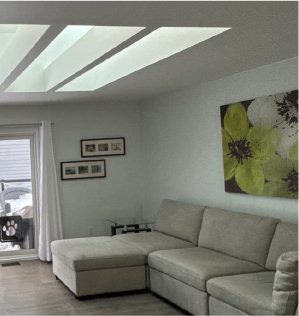
When properly selected and professionally installed, skylights can bring useful daylight into the home while supporting overall comfort.
Natural Daylight Can Reduce Lighting Needs
One of the most obvious energy benefits of skylights is their ability to reduce dependence on artificial lighting during daytime hours.
Strategically positioned skylights can brighten:
- Kitchens
- Living rooms
- Bathrooms
- Bedrooms
- Stairways
- Hallways
Instead of switching on electric lights throughout the day, homeowners can make greater use of available sunlight.
This is especially beneficial in interior rooms that receive limited daylight from traditional windows.
Venting Skylights Can Improve Natural Airflow
Venting skylights provide both daylight and fresh air.
Because warm air rises, opening a skylight can allow accumulated heat to escape from upper areas of the home.
This can be particularly useful in:
- Kitchens
- Bathrooms
- Upper-floor bedrooms
- Open-concept living spaces
- Rooms with vaulted ceilings
When outdoor conditions are comfortable, natural ventilation can reduce reliance on mechanical cooling while improving indoor air circulation.
Skylight Shades Provide Greater Control
Natural light is valuable, but homeowners may not want maximum sunlight at every hour of the day.
Skylight shades allow greater control over:
- Brightness
- Glare
- Privacy
- Solar heat gain
During strong summer sunlight, shades can help manage the amount of direct solar energy entering the room.
During other times, homeowners can open the shades and maximize natural daylight.
This flexibility can make skylights more comfortable throughout the year.
Modern Skylight Automation Adds Convenience
Today’s skylight systems can offer significantly more functionality than older designs.
Depending on the system, homeowners may have access to:
- Remote controls
- Solar-powered operation
- Rain sensors
- Automated shades
- Smart controls
These features make it easier to manage ventilation and daylight, especially when skylights are installed in high ceilings or other difficult-to-reach locations.
Why Old Skylights Can Reduce Efficiency
Aging skylights may no longer perform as well as they once did.
Potential problems include:
- Failed seals
- Drafts
- Condensation between panes
- Deteriorated frames
- Outdated glazing
- Damaged flashing
These issues can affect comfort and may allow air or moisture to enter areas around the skylight.
If an older skylight requires repeated repairs, replacement with a modern energy-efficient model may provide better long-term performance.
Proper Skylight Installation Is Critical
Even a high-quality skylight can perform poorly if it is not installed correctly.
Professional installation should address:
- Roof opening preparation
- Flashing
- Waterproofing
- Insulation around the skylight
- Interior air sealing
- Roofing integration
These details help prevent drafts, leaks, and unnecessary heat transfer.
For Stittsville homeowners, professional installation is especially important because skylights must withstand demanding seasonal weather.
Roof Ventilation Completes the System
Insulation and ventilation serve different purposes, but both are essential.
Roof ventilation helps move air through the attic, typically using intake vents and exhaust vents.
Proper ventilation can help:
- Manage attic temperatures
- Remove excess moisture
- Protect roof decking
- Reduce condensation
- Support roof longevity
Without adequate ventilation, moisture and heat can become trapped inside the attic.
Soffit Ventilation Matters
Soffit vents are commonly used to bring fresh outside air into the lower portion of the attic.
If soffit vents become blocked by insulation or debris, airflow may be restricted.
Professional attic and roofing assessments should consider whether intake ventilation is clear and functioning properly.
Soffit and fascia condition should also be inspected because these components contribute to both roof protection and ventilation.
Reducing the Risk of Ice Dams
Ice dams can develop when parts of a snow-covered roof become warm enough to melt snow while colder roof edges remain below freezing.
Meltwater can then refreeze near the eaves.
A combination of proper:
- Attic insulation
- Air sealing
- Roof ventilation
helps manage roof temperatures and reduce conditions that contribute to ice dam formation.
For Stittsville homeowners, this is an important consideration during winter.
Moisture Control Protects Energy Efficiency
Moisture and energy performance are closely connected.
If water enters through:
- Damaged roofing
- Skylight flashing
- Roof penetrations
- Condensation problems
it can affect insulation and structural materials.
Wet insulation may not perform as effectively as dry insulation, potentially increasing heat loss and energy consumption.
Preventing moisture intrusion is therefore an important part of maintaining an efficient home.
Gutters and Downspouts Also Play a Role
Although gutters do not directly insulate your home, they protect many components that influence long-term building performance.
Proper gutters and downspouts direct rainwater and snowmelt away from:
- Roof edges
- Soffit
- Fascia
- Exterior walls
- Foundation areas
Clogged or damaged gutters can contribute to water problems that eventually affect roofing and insulation.
A complete home-efficiency strategy should therefore include proper drainage maintenance.
Consider Roofing and Skylights Together
If your roof is approaching replacement age and your skylights are also older, completing both projects together may be worthwhile.
During roof replacement, installers have direct access to:
- Roof decking
- Underlayment
- Skylight openings
- Flashing
- Ventilation components
This creates an opportunity to evaluate the entire system at once.
Installing new skylights during roof replacement can also avoid disturbing newly installed roofing materials later.
Consider Attic Insulation During Roofing Improvements
A roofing project can also be a useful time to evaluate attic conditions.
Homeowners can ask professionals to assess:
- Insulation coverage
- Moisture damage
- Ventilation
- Air leakage
- Roof decking condition
Identifying multiple issues at once allows homeowners to develop a coordinated improvement plan rather than addressing symptoms separately.
Sun Tunnels Can Improve Daylighting Efficiency
Not every room requires a full-sized skylight.
Sun Tunnels, also known as Light Tunnels, can bring natural daylight into compact or interior areas such as:
- Hallways
- Closets
- Bathrooms
- Laundry rooms
They use a reflective tunnel to direct daylight from the roof into the room below.
For Stittsville homeowners who want to reduce daytime artificial lighting without installing a traditional skylight, a Sun Tunnel may be a practical solution.
Signs Your Home May Need Energy-Efficiency Improvements
Some warning signs that roofing, skylights, insulation, or ventilation may require attention include:
- Unusually high energy bills
- Hot upper floors during summer
- Cold rooms during winter
- Drafts around skylights
- Frequent condensation
- Ice dams
- Moisture in the attic
- Uneven indoor temperatures
- Aging or damaged roofing
These symptoms can have several possible causes, which is why a comprehensive assessment is valuable.
Why Professional Inspection Matters
Energy-efficiency problems are often interconnected.
For example, a homeowner may assume insufficient insulation is causing a cold room when the actual issue involves air leakage around an older skylight.
Similarly, attic moisture might be caused by poor ventilation, roof leakage, or indoor humidity.
Professional inspection helps identify the actual source of the problem before improvements are made.
Creating a Coordinated Energy-Efficiency Plan
For many Stittsville homes, the best approach is to evaluate the building envelope as a connected system.
A plan may involve:
- Inspecting the roof for damage and deterioration.
- Evaluating existing skylights and flashing.
- Checking attic insulation.
- Identifying air leakage.
- Assessing roof ventilation.
- Reviewing soffit and fascia condition.
- Checking gutters and downspouts.
Not every home will need improvements in all these areas, but understanding how they interact can prevent unnecessary work and produce better long-term results.
Long-Term Benefits for Stittsville Homeowners
Improving roofing, skylights, attic insulation, and ventilation together can provide several benefits.
Homeowners may experience:
- More consistent indoor temperatures
- Better natural daylight
- Reduced drafts
- Improved moisture management
- Lower heating and cooling demand
- Greater year-round comfort
- Better protection for roofing materials
These improvements can also help protect the long-term value of the property.
Conclusion
Creating a more energy-efficient home in Stittsville requires looking beyond a single product or upgrade. Your roofing, skylights, attic insulation, ventilation, soffit, fascia, and drainage systems all influence how effectively your home manages heat, air, and moisture.
A well-maintained roof protects the building envelope. Proper attic insulation reduces heat transfer. Effective ventilation helps control attic temperatures and moisture. Modern energy-efficient skylights provide natural daylight while offering improved glazing, weather sealing, ventilation, shades, and smart automation.
When these systems work together, homeowners can create brighter, more comfortable, and more efficient living spaces while protecting their homes against Stittsville’s changing seasonal conditions.
Whether you’re considering new skylights, a roof replacement, attic insulation improvements, or a complete roofing assessment, a coordinated professional approach can help identify the upgrades that will provide the greatest long-term benefit.