
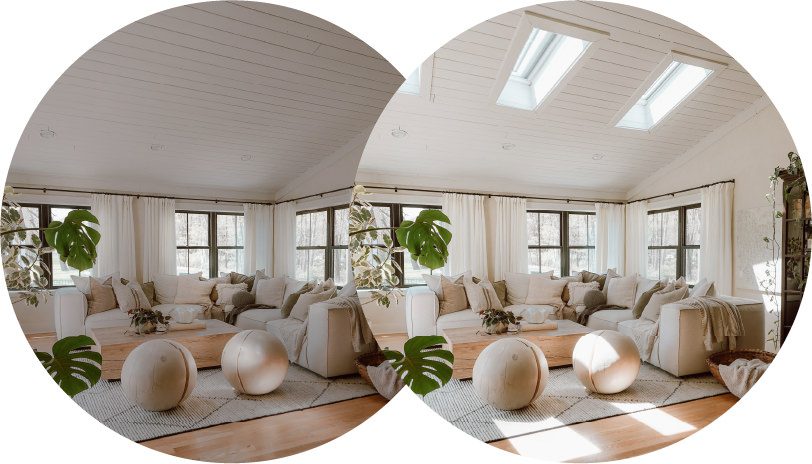
Skylights bring natural light into rooms that may not have exterior walls for windows. They can brighten kitchens, bathrooms, stairwells, and upper-floor living spaces. But because a skylight sits within the roof, it is exposed to rain, snow, wind, temperature swings, and the freeze-thaw cycles common in Ottawa. Over time, these conditions can wear down seals and flashing or reveal problems with the surrounding roof.
Recognizing skylight damage early can help homeowners address a small repair before moisture affects the roof structure, insulation, drywall, or interior finishes. A water stain below the skylight does not always mean the skylight itself is leaking, however. The source may be nearby roofing, flashing, condensation, or an attic ventilation issue. Careful inspection can help identify what is happening and determine whether professional skylight repair is needed.
Common Signs That a Skylight Needs Repair
Some skylight problems are easy to see, while others appear gradually. Check the skylight and nearby ceiling periodically, especially after heavy rain, strong wind, or snowmelt. Look for changes inside and outside the home.
Water stains or dampness around the ceiling
A yellow or brown mark near the skylight shaft may indicate that water has entered the roof assembly or travelled along the framing before becoming visible. Paint may bubble, drywall may soften, or trim may become discoloured. If the area feels damp, or the stain grows after precipitation, contact a roofing or skylight professional to assess the source.
Avoid assuming that the visible stain marks the exact entry point. Water can move along roof decking, framing, or other materials before reaching the ceiling. A professional inspection can help trace the moisture path.
Drips during rain or snowmelt
Active dripping is a clear sign that water is getting into the home, but the cause can vary. Damaged flashing, deteriorated seals, cracked glazing, missing shingles, or a roof defect near the skylight may all allow water inside. In winter, melting snow can also expose existing weaknesses around the roof opening.
Move belongings away from the affected area and collect dripping water in a container. If water is near a light fixture, wiring, or other electrical equipment, avoid touching the area and contact a qualified professional promptly.
Drafts or temperature changes
A noticeable draft around a closed skylight can point to a problem with weatherstripping, the sash, frame, or surrounding installation. Cold air may enter around worn seals, while warm indoor air can escape through gaps. The result may be a room that feels uncomfortable even when the heating system is working normally.
A draft alone does not confirm seal failure. Air movement elsewhere in the roof or ceiling may feel similar. An inspection can help determine whether the problem is isolated to the skylight or related to the surrounding roof assembly.
Condensation or fogging
Moisture on the room-facing surface of the glass may form when warm, humid indoor air meets a colder surface. This can happen during Ottawa winters, particularly in bathrooms, kitchens, or other rooms with higher humidity. Using exhaust fans and maintaining suitable indoor humidity may reduce condensation.
Fog or moisture between sealed glass panes has a different cause. It can indicate that the insulating glass unit has lost its seal. This may make the glass appear cloudy or hazy, and the fogging may remain even when the room’s humidity changes. A skylight professional can assess whether the glazing can be repaired or whether replacement is appropriate.
Visible damage to the frame, glass, or interior finish
Inspect for cracked or chipped glass, warped or deteriorated frame materials, peeling paint, loose trim, and gaps between the frame and the ceiling. Any visible damage should be assessed, particularly if it follows a storm or falling debris. Do not climb onto the roof to inspect a skylight yourself; roof access can be dangerous, especially when surfaces are wet, icy, or steep.
Why Skylights Leak
A skylight is part of a larger roof system. It relies on properly fitted flashing, intact shingles, sound roof decking, suitable seals, and correct drainage around the opening. A failure in any of these components can allow water to enter.
Worn or damaged flashing
Flashing directs water away from the joint between the skylight and the roof. If the flashing is loose, corroded, bent, incorrectly installed, or damaged by weather, water may get beneath the roofing materials. In Ottawa, repeated freezing and thawing can place stress on roof components and make existing weaknesses more noticeable.
Flashing problems may cause leaks that appear only during wind-driven rain or particular snowmelt conditions. A professional can inspect the skylight perimeter and determine whether the flashing needs repair or replacement.
Deteriorated seals or weatherstripping
The seals around a skylight help limit water and air infiltration. Over time, exposure to sunlight, temperature changes, and moisture can cause some materials to shrink, crack, or lose flexibility. Damaged weatherstripping may also affect how securely an operable skylight closes.
Applying a surface product without identifying the source may not solve the problem. A lasting skylight repair depends on finding the failed component and using suitable materials for the skylight and roof.
Damaged glazing or frame
Cracked glass, a damaged frame, or a failed insulated glass seal can affect the skylight’s ability to keep out weather and maintain indoor comfort. The best solution depends on the type and extent of damage, the skylight’s age, and the condition of the surrounding roof. Sometimes a repair is practical; in other cases, skylight replacement may be a better long-term option.
Roofing problems near the skylight
A leak near a skylight may originate from shingles, roof valleys, vents, or other nearby features. A missing shingle or damaged roof section can allow water to travel beneath the roofing materials and emerge around the skylight shaft. This is one reason a thorough roof inspection matters. Replacing a skylight seal alone will not address a leak that begins elsewhere.
How to Tell a Leak from Condensation
Leakage and condensation can look similar at first. Both may leave moisture or discolouration near the skylight, but their patterns and timing can offer clues.
Condensation often appears as droplets on the interior glass during cold weather. It may be more noticeable in rooms with elevated humidity and may lessen when ventilation improves. Moisture trapped between glass panes can suggest a failed insulating glass seal.
A leak is more likely when water stains grow after rain, wind-driven precipitation, or snowmelt, or when dripping occurs near the skylight frame or ceiling shaft. However, these signs are not definitive. Moisture can move through roof materials, and several problems can occur at the same time. If you are unsure, arrange an assessment rather than relying on appearance alone.
What Homeowners Can Do Before an Inspection
A few simple steps can help you document the problem and limit interior damage:
- Note when the moisture or draft appears and what the weather has been like.
- Take photos of stains, damp areas, fogging, or visible interior damage.
- Move furniture and valuables away from the affected area.
- Place a container beneath active drips and dry nearby surfaces when safe.
- Use bathroom and kitchen exhaust fans to manage indoor humidity.
- Avoid climbing onto the roof or applying caulk or sealant without knowing the cause.
These observations can help a skylight specialist understand when the issue occurs. They do not replace an inspection of the roof, flashing, frame, seals, and surrounding materials.
When to Call for Skylight Repair in Ottawa
Contact a professional if you notice active leaking, recurring water stains, damaged glass, persistent drafts, fog between panes, soft or deteriorating drywall, or water that returns after a previous repair. Prompt assessment is especially important when the problem appears after a storm or continues through multiple weather events.
A skylight repair inspection should consider the skylight itself and the roof around it. Depending on what is found, the work may involve repairing seals, addressing flashing, replacing damaged components, correcting nearby roofing problems, or recommending a new skylight. Sunrise Skylights provides skylight installation, repair, replacement, and emergency replacement services in Ottawa and surrounding areas.
Protecting Your Home with Timely Skylight Repairs
A skylight should provide daylight without allowing water or unwanted air into the home. Regularly checking the interior for stains, condensation, drafts, and changes in the frame can help you notice potential problems early. When signs appear, a professional inspection can distinguish between a skylight issue and a nearby roof or ventilation concern.
For Ottawa homeowners, addressing a skylight leak or seal problem promptly can help limit damage to ceilings, insulation, and roof components. If your skylight is leaking, fogging between panes, or allowing cold air into the room, arrange an assessment to find the cause and determine the right repair.