
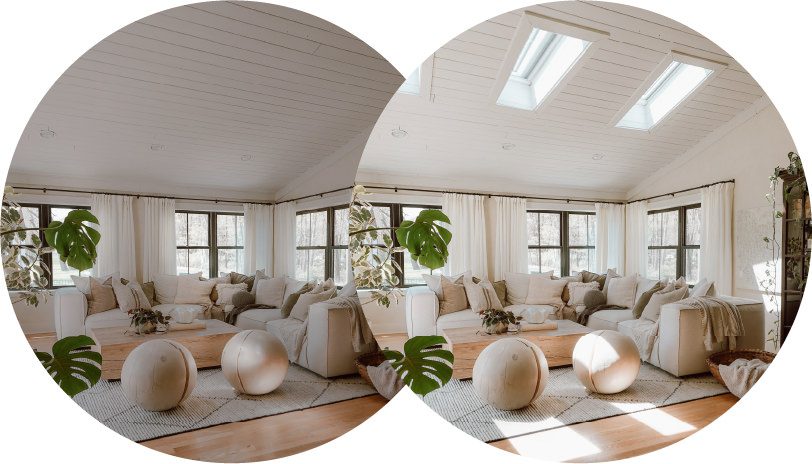
Skylights are a beautiful way to bring natural light into a home, but when condensation begins forming on or around the glass, homeowners may become concerned about leaks, moisture damage, or poor insulation. In Nepean, where homes experience cold winters, warm summers, and significant seasonal temperature changes, skylight condensation can be especially noticeable.
The good news is that condensation does not always mean your skylight is leaking or failing. In many cases, it is caused by warm indoor air coming into contact with a colder glass surface. However, persistent moisture should still be taken seriously because it can eventually affect drywall, insulation, frames, and surrounding roofing materials.
Understanding what causes skylight condensation and how to prevent it can help Nepean homeowners protect their homes while continuing to enjoy the benefits of natural daylight.
What Is Skylight Condensation?
Condensation occurs when warm, moisture filled air comes into contact with a colder surface.
During winter, the inside surface of a skylight may become significantly colder than the surrounding indoor air. When warm household air rises and reaches the glass, moisture can form as small droplets.
This is similar to what happens when condensation appears on a cold window.
The important distinction is determining whether the moisture is:
- On the interior surface of the glass
- Between the glass panes
- Entering from around the skylight frame or flashing
Each situation can indicate a different problem.
Why Condensation Is Common During Nepean Winters
Cold weather creates ideal conditions for condensation.
During winter, homeowners keep their interiors warm while outside temperatures may fall well below freezing. This large temperature difference increases the likelihood of moisture forming on cold surfaces.
Skylights are positioned high in the room, and warm humid air naturally rises toward them.
This means bathrooms, kitchens, bedrooms, and other areas with higher humidity may experience more condensation around skylights during colder months.
High Indoor Humidity Is a Major Cause
One of the most common causes of skylight condensation is excessive indoor humidity.
Everyday activities add moisture to the air, including:
- Showering
- Cooking
- Doing laundry
- Running humidifiers
- Drying clothes indoors
When indoor humidity becomes too high, moisture is more likely to collect on cooler surfaces such as skylight glass.
Reducing excess humidity is often one of the first steps toward controlling condensation.
Poor Bathroom Ventilation
Bathrooms are particularly vulnerable because showers and baths release significant moisture into the air.
If ventilation is inadequate, warm humid air rises toward the ceiling and skylight.
Over time, repeated condensation may affect:
- Skylight frames
- Ceiling finishes
- Drywall
- Paint
- Insulation
A properly functioning bathroom exhaust fan can help remove moisture before it reaches the skylight.
Venting skylights can also provide additional natural airflow when weather conditions allow.
Kitchen Moisture Can Contribute to Condensation
Cooking creates heat and moisture, especially when boiling water or preparing meals that produce steam.
In kitchens with skylights, that moisture naturally moves upward.
Good ventilation is therefore essential.
Homeowners can reduce moisture by:
- Using a range hood
- Running exhaust fans
- Opening venting skylights when appropriate
- Maintaining balanced indoor humidity
Improved airflow can make a noticeable difference.
Poor Attic Ventilation May Increase Moisture Problems
The condition of the attic can also influence skylight performance.
Poor attic ventilation may allow moisture to accumulate around:
- Roof decking
- Insulation
- Skylight openings
- Structural framing
Proper roof ventilation helps manage moisture and temperature levels throughout the attic.
A balanced system typically allows fresh air to enter through soffit vents while warmer air exits through roof or ridge vents.
For Nepean homes, this ventilation is especially important during winter.
Insulation Around the Skylight Matters
Improper or insufficient insulation around the skylight opening can create cold spots.
When warm indoor air reaches these colder areas, condensation may develop.
Proper insulation helps reduce temperature differences around the skylight shaft and surrounding ceiling.
A professional inspection can identify areas where insulation may be:
- Missing
- Compressed
- Moisture damaged
- Improperly installed
Improving insulation can reduce condensation while also improving energy efficiency.
Condensation Between Glass Panes Is Different
If moisture appears between the panes of insulated glass, the issue may be more serious.
Modern skylights typically use insulated glazing that creates a sealed space between panes.
If that seal fails, moisture can enter between the glass layers.
Signs include:
- Persistent fogging
- Cloudy glass
- Moisture that cannot be wiped away
- Reduced clarity
Unlike surface condensation, moisture between panes often indicates that the insulated glass unit has lost its seal.
Depending on the age and condition of the skylight, replacement may be the most practical solution.
Condensation vs. a Skylight Leak
Homeowners sometimes mistake condensation for a leak.
Condensation usually appears on the interior glass or frame and is often most noticeable during cold weather or periods of high indoor humidity.
A leak may produce:
- Water stains around the skylight
- Wet drywall
- Dripping after rain
- Moisture around flashing
- Bubbling or peeling paint
If water appears primarily during rainfall or snowmelt, the issue may involve flashing, roofing materials, or waterproofing rather than condensation.
A professional inspection is the safest way to identify the source.
Damaged Skylight Flashing Can Cause Moisture Problems
Flashing helps direct water around the skylight and safely down the roof.
If flashing becomes:
- Loose
- Damaged
- Corroded
- Improperly installed
water may enter around the skylight.
This can create moisture problems that may initially resemble condensation.
Professional inspection of the flashing and surrounding shingles can help determine whether water is coming from inside the home or entering through the roof.
Old Skylights May Be More Prone to Condensation
Older skylights often have lower insulation performance than modern units.
They may also have:
- Aging seals
- Older glazing
- Deteriorated frames
- Worn weather stripping
- Reduced thermal efficiency
These issues can make the interior glass colder during winter, increasing the likelihood of condensation.
Replacing an older skylight with a modern energy efficient model can help improve comfort and reduce moisture concerns.
How Energy Efficient Skylights Help
Modern skylights are designed to improve thermal performance.
Depending on the model, features may include:
- Insulated glazing
- Low E coatings
- Improved frame design
- Better weather sealing
- Modern flashing systems
These features help reduce heat transfer and maintain warmer interior glass temperatures during winter.
That does not mean condensation can never occur, but improved performance can reduce the conditions that contribute to it.
Improve Indoor Air Circulation
Good air circulation helps distribute humidity more evenly throughout the home.
Homeowners can improve airflow by:
- Using ceiling fans
- Keeping interior doors open when practical
- Running exhaust fans
- Using venting skylights
- Maintaining HVAC systems
Rooms with stagnant air tend to experience more localized moisture problems.
Monitor Indoor Humidity Levels
A simple indoor humidity monitor can help homeowners understand whether excess moisture may be contributing to condensation.
Humidity should be adjusted according to outdoor temperatures and household conditions.
During very cold weather, indoor humidity may need to be lower to reduce condensation on windows and skylights.
If condensation appears frequently across several windows and skylights, the issue may be related to whole home humidity rather than the skylight itself.
Use Exhaust Fans Consistently
Bathrooms and kitchens should have properly functioning exhaust systems.
After showering, continue running the bathroom fan long enough to remove excess humidity.
While cooking, use the range hood whenever steam or moisture is being produced.
These simple habits can significantly reduce the amount of moisture rising toward skylights.
Consider a Venting Skylight
For homeowners replacing an existing skylight or planning a new installation, a venting skylight can provide additional airflow.
Venting skylights can help release:
- Warm air
- Excess humidity
- Cooking heat
- Stale indoor air
Because warm air naturally rises, an opening at roof level can be particularly effective for natural ventilation.
Modern venting skylights may also include remote controls, solar powered operation, and automatic rain sensors.
Check Attic Insulation and Ventilation
Condensation issues should sometimes be evaluated as part of the home’s broader roof and attic system.
A professional inspection can assess:
- Attic insulation
- Soffit ventilation
- Roof vents
- Air leaks
- Moisture accumulation
- Skylight insulation
Addressing these areas together can improve overall energy efficiency while reducing moisture concerns.
Keep Skylight Drainage Areas Clear
Leaves, branches, snow, and other debris can interfere with water drainage around a skylight.
Homeowners should ensure that roof areas surrounding skylights remain clear and properly maintained.
Professional roof maintenance can help identify drainage problems that may otherwise contribute to water infiltration.
Watch for Interior Damage
Persistent moisture should never be ignored.
Look for:
- Stained ceilings
- Peeling paint
- Soft drywall
- Mold or mildew
- Wood discoloration
- Musty odors
These signs may indicate that moisture has been present for an extended period.
Early professional assessment can help limit further damage.
When Skylight Replacement May Be Necessary
Condensation alone does not automatically mean your skylight needs replacement.
However, replacement may be worth considering if the skylight also has:
- Failed glass seals
- Recurring leaks
- Significant frame deterioration
- Drafts
- Damaged glazing
- Poor energy efficiency
- Repeated repair needs
Replacing an aging unit can provide improved glazing, insulation, flashing, and overall performance.
Why Professional Inspection Is Important
It can be difficult for homeowners to determine whether visible moisture comes from condensation, a roof leak, failed glazing, or inadequate insulation.
A professional skylight inspection can evaluate:
- Glass condition
- Seals
- Flashing
- Roofing materials
- Frames
- Interior finishing
- Insulation
- Ventilation
Identifying the actual cause is essential before deciding on repairs or replacement.
Preventing Condensation During a New Skylight Installation
If you are planning a new skylight installation in Nepean, condensation prevention should be considered from the beginning.
Professional planning includes:
- Correct skylight sizing
- Proper roof placement
- Quality insulation
- Effective flashing
- Appropriate ventilation
- Energy efficient glazing
A well designed skylight installation works as part of the home’s overall roofing and ventilation system.
The Importance of Regular Skylight Maintenance
Routine maintenance helps homeowners identify potential problems early.
Periodically inspect:
- Glass
- Interior frames
- Ceiling areas
- Exterior flashing
- Nearby roofing materials
If anything changes, arrange a professional inspection rather than waiting for significant water damage.
Why Nepean Homeowners Should Address Condensation Early
A few droplets on the inside of a skylight during extremely cold weather may not indicate a serious problem.
Persistent condensation is different.
Repeated moisture can eventually affect:
- Paint
- Drywall
- Insulation
- Wood framing
- Skylight components
Addressing humidity, ventilation, insulation, and skylight condition early can help prevent these issues from becoming expensive repairs.
Conclusion
Skylight condensation is a common concern for Nepean homeowners, particularly during Ottawa’s colder months. In many situations, it develops when warm, humid indoor air reaches cold skylight glass. High indoor humidity, poor ventilation, inadequate insulation, and older skylight technology can all contribute to the problem.
The key is identifying exactly where the moisture is forming. Surface condensation can often be reduced by improving ventilation and controlling humidity, while fogging between glass panes may indicate a failed seal. Water appearing around the skylight during rain or snowmelt may point to a flashing or roofing issue instead.
Regular inspections, proper attic ventilation, quality insulation, and professionally installed energy efficient skylights can all help reduce moisture concerns and improve long term performance. If condensation becomes persistent or is accompanied by stains, drafts, leaks, or damaged materials, a professional skylight and roof inspection can help determine the right solution for your Nepean home.