
Winter in Ottawa is tough on homes. Heavy snowfall, freezing rain, fluctuating temperatures, and long periods of cold create the perfect conditions for roof leaks to develop. Many winter roof leaks don’t happen suddenly — they begin as small vulnerabilities that worsen over time as snow melts, refreezes, and forces water into places it shouldn’t be.
For homeowners, understanding how winter affects roofing systems and knowing what steps to take before and during the cold season can prevent costly damage. Roof leaks in winter are not only inconvenient; they can lead to interior water damage, mold growth, insulation failure, and structural issues.
This guide explains how roof leaks happen during Ottawa winters, what warning signs to watch for, and how homeowners can prevent leaks before they start.
Why Winter Roof Leaks Are So Common in Ottawa
Ottawa’s winter conditions are particularly demanding on roofs. Several factors combine to increase leak risk:
- heavy snow accumulation
- frequent freeze-thaw cycles
- ice dam formation
- strong winter winds
- freezing rain events
- prolonged cold temperatures
These elements put constant pressure on shingles, flashing, gutters, and roof seals. Even a well-built roof can develop leaks if small issues go unnoticed.
How Winter Roof Leaks Typically Develop
Understanding how winter leaks form helps homeowners take preventive action.
Snow Melt and Refreezing
Heat escaping from the home melts snow on the roof. As melted water flows downward, it refreezes at colder areas near the eaves, forming ice dams. Water trapped behind ice dams is forced under shingles and into the roof structure.
Cracked or Lifted Shingles
Cold temperatures make shingles brittle. Wind and ice can crack or lift shingles, allowing moisture to penetrate beneath the surface.
Flashing Failure
Flashing around chimneys, skylights, vents, and valleys can loosen or crack due to freeze-thaw expansion. Once flashing fails, water can enter even during light snowmelt.
Blocked Drainage
Clogged gutters prevent melting snow from draining properly, forcing water back onto the roof.
Early Warning Signs of a Winter Roof Leak
Roof leaks often reveal themselves inside the home before becoming obvious outside.
Interior Warning Signs
- water stains on ceilings or walls
- peeling paint or bubbling drywall
- dripping water during thaw periods
- damp insulation
- musty odors
- frost or condensation near ceilings
Ignoring these signs allows damage to spread and worsen.
1. Inspect the Roof Before Winter Begins
A pre-winter inspection is one of the most effective ways to prevent leaks.
Key Areas to Check
- missing or damaged shingles
- cracked or curled shingle edges
- loose nails
- exposed underlayment
- damaged flashing
- roof valleys
- skylight seals
Addressing these issues early reduces leak risk during winter storms.
2. Keep Gutters and Downspouts Clear
Gutters are critical during winter. When blocked, they trap water and ice.
Why Clear Gutters Matter
- allow snowmelt to drain properly
- reduce ice dam formation
- prevent water from backing up under shingles
- protect fascia and roof edges
Gutters should be cleaned in late fall and checked periodically during winter.
3. Prevent Ice Dams Before They Start
Ice dams are one of the leading causes of winter roof leaks in Ottawa.
How to Reduce Ice Dam Risk
- improve attic insulation
- seal air leaks from the living space
- ensure balanced attic ventilation
- remove excess roof snow when safe
Preventing ice dams protects both the roof and the interior of the home.
4. Ensure Proper Attic Insulation
Poor attic insulation allows heat to escape, warming the roof surface and accelerating snow melt.
Benefits of Proper Insulation
- keeps attic temperatures stable
- reduces snow melt on the roof
- lowers heating costs
- improves indoor comfort
- protects roof decking
Homes with inadequate insulation are far more likely to experience winter leaks.
5. Maintain Balanced Attic Ventilation
Ventilation works with insulation to regulate attic temperature and moisture.
Why Ventilation Matters
- removes warm, moist air
- prevents condensation and frost
- stabilizes roof temperature
- reduces ice dam formation
Balanced systems allow fresh air to enter through soffits and warm air to exit through roof vents.
6. Inspect and Repair Flashing
Flashing seals vulnerable roof areas and directs water away from openings.
Common Flashing Locations
- chimneys
- skylights
- vent pipes
- roof valleys
Cracked or loose flashing is a major cause of winter leaks. Repairs should be made before freezing temperatures intensify.
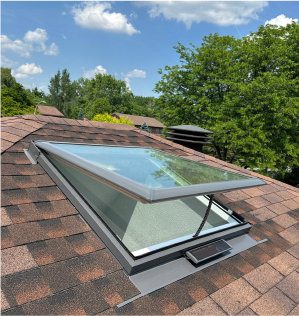
7. Address Skylight Seals and Flashing
Skylights are common leak points if seals or flashing deteriorate.
Winter Skylight Checks
- inspect seals and caulking
- check flashing integrity
- ensure surrounding shingles are intact
- monitor for condensation or drafts
Properly sealed skylights perform reliably throughout winter.
8. Remove Excess Snow Safely
While roofs are designed to handle snow loads, excessive accumulation increases leak risk.
When Snow Removal Helps
- uneven snow buildup
- ice dams forming
- heavy accumulation near roof edges
Snow should be removed carefully using proper tools to avoid shingle damage.
9. Seal Interior Air Leaks
Warm air escaping from inside the home directly contributes to ice dam formation.
Common Air Leak Areas
- attic hatches
- recessed lighting
- bathroom exhaust fans
- ceiling penetrations
Sealing these areas reduces heat loss and leak risk.
10. Trim Overhanging Trees
Tree branches can drop snow, ice, or debris onto the roof, damaging shingles.
Benefits of Trimming Trees
- reduces impact damage
- prevents debris accumulation
- allows roof surfaces to dry faster
Tree maintenance supports winter roof protection.
11. Monitor the Roof After Major Storms
Ottawa winter storms can cause sudden damage.
After-Storm Checks
- look for missing shingles
- inspect gutters and downspouts
- check for new interior stains
- monitor attic for moisture
Early detection prevents small issues from becoming major leaks.
12. Avoid Temporary Patch Solutions
Quick fixes such as surface caulking rarely hold up during freeze-thaw cycles.
Why Temporary Fixes Fail
- crack in cold temperatures
- trap moisture
- worsen underlying damage
Proper repairs address the root cause rather than masking symptoms.
13. Prepare for the Spring Thaw
Spring thaw is one of the most leak-prone periods.
Why Thaw Is Risky
- rapid snow melt
- ice dams releasing
- water flowing into weakened areas
Preparing the roof before winter reduces damage during thaw cycles.
Long-Term Benefits of Preventing Winter Roof Leaks
Preventive roof care provides lasting value:
- fewer emergency repairs
- extended roof lifespan
- lower repair costs
- protected insulation and structure
- improved indoor comfort
- preserved property value
Prevention is always more cost-effective than repair.
Why Ottawa Homeowners Must Be Proactive
Ottawa’s winter climate leaves little margin for roofing weaknesses. Homes that are properly insulated, ventilated, and maintained perform significantly better during winter and experience fewer leaks.
Being proactive protects not just the roof, but the entire home.
Conclusion: Protecting Your Home From Winter Roof Leaks in Ottawa
Preventing roof leaks during winter requires preparation, awareness, and timely maintenance. By inspecting the roof, maintaining gutters, improving insulation and ventilation, and addressing small issues early, Ottawa homeowners can protect their homes from winter damage.
A well-protected roof keeps water out, heat in, and stress levels low — even during the harshest winter conditions.