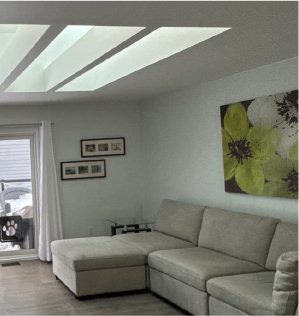
Skylights can transform an ordinary room by introducing natural daylight from above, creating a brighter atmosphere and making interior spaces feel larger and more inviting. However, in a climate like Ottawa’s, choosing a skylight involves more than deciding how much natural light you want. Energy performance, insulation, indoor comfort, condensation resistance, and year-round weather protection are equally important considerations.
For homeowners replacing aging skylights or planning a new installation, triple-glazed skylights can be an excellent option. With an additional pane of glass and insulating spaces between the panes, triple glazing is designed to provide improved thermal performance compared with less-insulated glazing configurations.
From freezing winter mornings to warm summer afternoons, a high-performance skylight can help homeowners enjoy natural daylight without unnecessarily compromising indoor comfort.
What Is a Triple-Glazed Skylight?
Triple glazing refers to a skylight glazing unit constructed with three panes of glass rather than one or two.
The spaces between the panes create additional insulating layers that help reduce heat transfer through the skylight.
Depending on the specific product, modern high-performance glazing may also incorporate features such as:
- Low-E coatings
- Insulating gas between panes
- Warm-edge spacer technology
- UV protection
- Laminated safety glass
- Energy-efficient frames and seals
The exact specifications vary by skylight model, so homeowners should select glazing based on their home’s requirements rather than assuming every triple-glazed product performs identically.
Why Glazing Matters More in Ottawa
Ottawa experiences significant seasonal temperature changes.
A skylight may face:
- Sub-zero winter temperatures
- Snow and ice
- Freeze-thaw cycles
- Heavy rainfall
- Strong summer sunlight
- Hot and humid conditions
Because a skylight is installed directly into the roofing system, its thermal performance can influence the comfort of the room beneath it.
Choosing appropriate glazing is therefore particularly important in Ottawa’s climate.
Better Winter Insulation
Winter is one of the strongest reasons homeowners consider triple glazing.
When the outdoor temperature falls dramatically, heat naturally moves from warmer interior spaces toward colder exterior surfaces.
A high-performance triple-glazed skylight can help reduce this heat transfer.
That can contribute to:
- Better indoor comfort
- Warmer interior glass surfaces
- Reduced drafts associated with poorly performing older units
- More consistent room temperatures
For homeowners replacing older skylights, improvements in glazing technology can be especially noticeable.
Helping Your Heating System Work More Efficiently
Your furnace or heating system works to maintain the temperature set on your thermostat.
When significant heat escapes through poorly insulated parts of the building envelope, the heating system may need to operate more frequently.
Improving roof insulation, attic air sealing, windows, doors, and skylights can all contribute to better overall thermal performance.
A triple-glazed skylight can therefore form part of a broader home energy-efficiency strategy.
Improved Comfort Near the Skylight
Energy efficiency is not only about utility costs.
Comfort matters too.
Older or poorly performing skylights can sometimes create a noticeably colder area beneath them during winter.
Modern high-performance glazing helps reduce the temperature difference between the skylight’s interior surface and the surrounding room.
That can make living spaces beneath skylights feel more comfortable during Ottawa’s colder months.
Better Condensation Resistance
Condensation is a common concern with windows and skylights during winter.
It occurs when warm, humid indoor air contacts a sufficiently cold surface.
Triple glazing can help keep the interior pane warmer than less-insulated glazing under comparable conditions, potentially reducing the likelihood of surface condensation.
However, glazing is only one part of condensation management.
Indoor humidity, ventilation, insulation, installation quality, and outdoor temperature also matter.
If condensation is persistent, homeowners should investigate the underlying cause rather than assuming the glass alone is responsible.
Condensation Between Panes Is a Different Problem
Homeowners should distinguish surface condensation from moisture trapped between panes.
If a skylight develops permanent fogging or moisture between its insulated glass layers, the glazing seal may have failed.
Typical signs include:
- Cloudiness that cannot be wiped away
- Water droplets inside the glazing unit
- Persistent haze
- Reduced visibility through the glass
When this happens on an aging skylight, replacement may be worth considering.
Triple Glazing Can Also Help During Summer
Ottawa winters receive plenty of attention, but summer performance matters as well.
Skylights receive significant solar exposure because of their position on the roof.
Modern glazing can help manage unwanted heat transfer, while Low-E coatings and properly selected shades can further improve comfort.
The effectiveness of the skylight will depend on factors including:
- Roof orientation
- Skylight size
- Glazing specifications
- Shade selection
- Room design
A professional assessment can help homeowners choose an appropriate combination.
Controlling Solar Heat Gain
A south- or west-facing skylight may receive substantial direct sunlight during certain parts of the day.
While natural daylight is desirable, uncontrolled solar gain can make a room warmer than intended.
Modern skylight systems can address this through a combination of:
- High-performance glazing
- Low-E coatings
- Strategic placement
- Interior shades
This allows homeowners to enjoy daylight while maintaining greater control over indoor temperatures.
Pair Triple Glazing with Skylight Shades
Skylight shades provide another layer of flexibility.
During bright summer afternoons, shades can help reduce glare and direct sunlight.
When homeowners want maximum daylight, the shades can be opened.
Depending on the system, options may include:
- Light-filtering shades
- Room-darkening shades
- Remote-controlled shades
- Solar-powered operation
Combining high-performance glazing with adjustable shades gives homeowners more control throughout the year.
More Comfortable Bedrooms
Skylights can be wonderful additions to bedrooms, particularly upper-floor rooms that feel dark or enclosed.
Triple glazing can be particularly attractive in these spaces because temperature comfort matters throughout the night.
Homeowners can combine energy-efficient glazing with room-darkening shades to enjoy:
- Natural daylight during the day
- Greater light control at night
- Improved thermal performance
- A more comfortable sleeping environment
Brighter Kitchens Without Sacrificing Comfort
Kitchens are another popular location for skylights.
Natural daylight can illuminate countertops, islands, cabinetry, and work areas while making the entire room feel more open.
A venting skylight can also allow warm air and cooking moisture to escape.
When high-performance glazing is combined with ventilation and appropriate shades, homeowners can create a kitchen that is bright, functional, and comfortable across Ottawa’s seasons.
Improving Living Rooms with Natural Daylight
Large living rooms can sometimes feel darker in their central areas, even when they have exterior windows.
Strategically positioned skylights bring daylight from above, helping illuminate parts of the room that conventional windows may not reach effectively.
Triple-glazed units allow homeowners to pursue this architectural benefit while prioritizing thermal performance.
This can be especially valuable in open-concept spaces and rooms with vaulted ceilings.
Low-E Coatings Make a Difference
The number of panes is only one factor in skylight performance.
Low-emissivity, or Low-E, coatings are designed to influence how radiant heat passes through glass.
Combined with insulated glazing, they can help improve thermal performance throughout the year.
When comparing skylights, homeowners should therefore look beyond whether the product is simply described as double or triple glazed.
The complete glazing system matters.
Don’t Forget the Skylight Frame
Glass is only part of a skylight.
The frame, seals, flashing, insulation, and installation all contribute to overall performance.
A high-performance glazing unit installed poorly can still result in:
- Drafts
- Water intrusion
- Air leakage
- Moisture problems
This is why professional installation is just as important as selecting a quality skylight.
Flashing Is Essential for Ottawa Weather
A skylight must be properly integrated with the roof.
Flashing directs rainwater and snowmelt around the skylight rather than allowing it to penetrate the roof opening.
Professional flashing installation helps protect:
- Roof decking
- Insulation
- Drywall
- Interior finishes
- Surrounding shingles
High-quality glass cannot compensate for an improperly flashed roof opening.
Proper Insulation Around the Skylight Matters
The area surrounding a skylight should also be properly insulated and air sealed.
Weak insulation around the skylight shaft can create cold spots even when the skylight itself performs well.
Professional installation should consider the entire assembly, including:
- Skylight frame
- Roof opening
- Interior shaft
- Insulation
- Air sealing
- Vapor management
Treating the skylight as part of the complete building envelope produces better results.
Triple-Glazed Skylights and Roof Replacement
If your Ottawa home is due for a roof replacement, it is an excellent time to evaluate older skylights.
Removing the existing roofing materials gives contractors better access to the roof deck, flashing, underlayment, and skylight opening.
If an existing skylight is already aging, replacing it during the roofing project can avoid disturbing the new roof later.
It also allows the new skylight and flashing system to be integrated directly with the new roofing materials.
When Should an Older Skylight Be Replaced?
Homeowners should consider having an older skylight professionally assessed if they notice:
- Persistent drafts
- Fogging between panes
- Water stains
- Repeated leaks
- Damaged frames
- Cracked glazing
- Difficult operation
- Poor thermal performance
Not every problem requires replacement. Flashing or other surrounding components may sometimes be repairable.
However, when several problems occur together on an aging unit, replacement may offer better long-term value.
Fixed or Venting Triple-Glazed Skylights?
Homeowners should also consider whether they want a fixed or operable skylight.
Fixed Skylights
These are ideal when the main objective is natural daylight.
They can work well in:
- Living rooms
- Dining rooms
- Hallways
- Stairwells
Venting Skylights
These provide daylight while also allowing fresh air into the home.
They are particularly useful in:
- Kitchens
- Bathrooms
- Bedrooms
- Upper-floor spaces
The appropriate choice depends on the function of the room.
Smart Skylight Technology Adds Convenience
Modern skylights can provide functionality that was unavailable with many older models.
Depending on the selected system, homeowners may be able to incorporate:
- Remote operation
- Solar-powered controls
- Rain sensors
- Automated shades
- Smart controls
These features can make venting and daylight management easier, especially when skylights are installed in high ceilings.
Triple Glazing Is Only Part of the Energy-Efficiency Picture
Installing an energy-efficient skylight can be valuable, but homeowners should think about the entire roof and attic system.
Other important components include:
- Attic insulation
- Roof ventilation
- Soffit and fascia
- Air sealing
- Roofing materials
- Gutters and downspouts
For example, upgrading skylights while leaving major attic insulation deficiencies unresolved may limit the overall improvement in home efficiency.
A coordinated approach is often more effective.
Spring Performance
Spring brings snowmelt and frequent rain.
During this season, proper flashing and roof drainage become particularly important.
A professionally installed skylight should integrate with the roofing system so water moves safely around the opening and toward the gutters.
Spring is also a good time to inspect skylights for any issues that may have developed during winter.
Summer Performance
During summer, homeowners generally focus on:
- Solar heat
- Glare
- Ventilation
- Cooling demand
Energy-efficient glazing, shades, and venting skylights can work together to create a more comfortable environment.
Fall Performance
Fall provides an opportunity to prepare the roof and skylights for winter.
Homeowners should watch for:
- Debris around skylights
- Damaged shingles
- Gutter blockages
- Flashing concerns
Correcting minor issues before freezing temperatures arrive can help reduce winter problems.
Winter Performance
Winter is when the insulating benefits of high-performance glazing become particularly valuable.
Triple-glazed skylights can help create a stronger thermal barrier between heated living spaces and Ottawa’s cold outdoor conditions.
Combined with proper insulation, air sealing, and attic ventilation, they can contribute to better overall winter comfort.
Are Triple-Glazed Skylights Worth Considering?
For Ottawa homeowners prioritizing year-round energy performance, triple glazing is certainly worth exploring.
It can be particularly attractive when:
- Replacing an older skylight
- Renovating an upper floor
- Installing skylights in frequently used rooms
- Improving overall home energy efficiency
- Completing a roof replacement
The right choice should still be based on the specific product, roof orientation, room requirements, and installation conditions.
Professional Assessment Helps You Choose Correctly
There is no single skylight configuration that is perfect for every Ottawa home.
Before installation, a professional can evaluate:
- Roof pitch
- Roof orientation
- Room size
- Ceiling height
- Existing insulation
- Ventilation requirements
- Desired daylight levels
- Roofing condition
This information helps determine whether triple glazing and other available features make sense for the project.
Conclusion
Triple-glazed skylights can be a smart upgrade for Ottawa homeowners who want to enjoy abundant natural daylight while prioritizing year-round comfort and energy performance. Their additional insulating layer can help reduce heat transfer during cold winters while modern glazing technologies can also help manage summer conditions.
However, the best-performing skylight is more than three panes of glass. Proper flashing, insulation, air sealing, roof integration, ventilation, placement, and professional installation all contribute to long-term results.
Whether you’re replacing an aging skylight, installing a new one, renovating your home, or coordinating skylight replacement with a new roof, choosing a high-performance system can help create a brighter and more comfortable home through winter, spring, summer, and fall.