
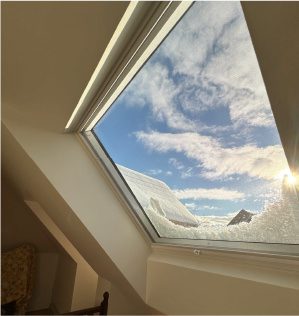
A small bedroom does not necessarily need more square footage to feel more spacious. Sometimes, changing the way natural light enters the room can completely transform its appearance. For homeowners in Kanata, strategically positioned skylights can introduce daylight from above, brighten areas that conventional windows struggle to reach, and create a stronger sense of openness.
Skylight placement is especially important in compact bedrooms. The size of the skylight matters, but where it is positioned, the direction the roof faces, the ceiling design, and how sunlight moves through the room can have an equally significant effect.
When these factors are considered carefully, a professionally installed skylight can make a small bedroom feel brighter, taller, and much less confined.
Why Small Bedrooms Can Feel Dark
Many bedrooms rely on a single exterior window for natural light. Depending on the home’s design, that window may not provide enough daylight throughout the room.
Common reasons include:
- Small windows
- Nearby houses blocking sunlight
- Trees creating shade
- Deep room layouts
- North-facing walls
- Covered exterior areas
- Furniture blocking portions of the window
In Kanata’s established and newer neighbourhoods alike, property orientation and surrounding development can significantly affect the amount of daylight reaching a bedroom.
A skylight introduces light from an entirely different direction: above.
Why Light From Above Feels Different
Traditional windows introduce daylight horizontally. Skylights bring it through the roof and ceiling.
This can illuminate areas farther away from exterior walls and create more even brightness throughout a compact bedroom.
Instead of having one bright wall and several darker corners, strategically positioned overhead daylight can help the entire room feel more balanced.
That visual balance can contribute to a greater sense of space.
Skylights Can Make the Ceiling Feel Higher
One of the most effective ways to make a small bedroom feel larger is to draw attention upward.
A skylight naturally does this.
When daylight enters through the ceiling, the eye is encouraged to look vertically rather than focusing only on the room’s limited floor dimensions.
This effect can be particularly impressive in bedrooms with:
- Sloped ceilings
- Vaulted ceilings
- Attic conversions
- Upper-floor rooflines
A carefully designed skylight can turn the ceiling itself into an architectural feature.
Placement Can Brighten Dark Corners
Putting a skylight somewhere simply because there is available roof space does not necessarily produce the best result.
Professional planning considers where daylight is actually needed.
If one side of the bedroom receives adequate light from a conventional window while the opposite side remains dark, positioning a skylight toward the darker area may create better overall illumination.
The objective is to distribute natural light rather than concentrate all of it in one location.
Roof Orientation Matters
The direction a skylight faces influences the type and intensity of daylight entering the bedroom.
North-Facing Skylights
These often provide softer, more consistent daylight throughout much of the day.
For bedrooms where homeowners want brightness without strong direct sunlight, this can be attractive.
East-Facing Skylights
East-facing skylights receive more morning sunlight.
This can create a bright, energizing atmosphere when waking up.
South-Facing Skylights
These may receive stronger sunlight for longer periods, depending on roof pitch and surrounding conditions.
Proper glazing and shades can help manage brightness and solar heat.
West-Facing Skylights
West-facing installations can receive stronger afternoon and evening sunlight.
For bedrooms, shades may be especially useful for controlling late-day glare and heat.
Consider the Bed Position
Bedroom layout should be considered before choosing skylight placement.
Some homeowners enjoy seeing the sky from bed, while others prefer indirect daylight rather than having the skylight positioned immediately overhead.
Placement should consider:
- Bed location
- Viewing angle
- Morning sunlight
- Privacy
- Furniture arrangement
- Shade requirements
Thinking about how the room is actually used can lead to a much more comfortable installation.
Use Daylight to Make Walls Feel Farther Apart
Brightness changes how we perceive interior dimensions.
Dark corners and heavily shadowed walls can make boundaries feel more noticeable. Increasing natural illumination can visually soften these boundaries.
When daylight spreads across walls and ceilings, a compact room may appear more open.
Light-coloured walls can amplify this effect by reflecting daylight deeper into the bedroom.
The Skylight Shaft Is Part of the Design
In homes with flat ceilings and attic space above, daylight travels through a shaft between the roof and ceiling.
The shape of this shaft can influence how light spreads into the bedroom.
A wider or flared opening can distribute daylight across a broader portion of the room, while a narrower shaft may create a more concentrated effect.
Professional planning should therefore consider both the exterior skylight position and the interior ceiling opening.
One Large Skylight vs. Multiple Smaller Skylights
A small bedroom does not always require a large skylight.
Sometimes, one appropriately sized unit provides sufficient daylight without overwhelming the room.
In other layouts, two smaller skylights can provide more balanced illumination.
The best arrangement depends on:
- Bedroom dimensions
- Roof structure
- Ceiling configuration
- Existing windows
- Desired daylight levels
More glass is not automatically better. Thoughtful placement is usually more important.
Fixed Skylights for Small Bedrooms
A fixed skylight is a good option when the main objective is additional natural light.
Because it does not open, it provides a relatively straightforward daylighting solution.
Fixed skylights can work particularly well when the bedroom already has adequate ventilation through conventional windows or mechanical systems.
They can create a clean, uncluttered appearance while introducing valuable overhead daylight.
Venting Skylights Can Add Fresh Air
A venting skylight adds another benefit: airflow.
Upper-floor bedrooms can sometimes become warmer than lower levels of the home, particularly during summer.
Because warm air rises, opening a skylight can allow accumulated heat to escape.
When combined with a lower window, this can encourage natural airflow through the bedroom.
For Kanata homeowners dealing with warm upstairs bedrooms, this additional functionality may be worth considering.
Solar-Powered and Remote Operation
Skylights are often positioned beyond comfortable reach.
Modern venting models can make operation much easier through features such as:
- Remote controls
- Solar-powered operation
- Smart controls
- Automatic rain sensors
This means homeowners can enjoy ventilation without needing to manually reach the skylight.
Skylight Shades Are Especially Important in Bedrooms
Bedrooms require greater control over light than many other areas of the home.
You may want abundant daylight during the day but darkness when sleeping.
Compatible skylight shades provide that flexibility.
Depending on the system, homeowners can choose options designed for:
- Light filtering
- Room darkening
- Glare reduction
- Privacy
- Solar heat management
Automated or remote-controlled shades can be particularly convenient for high installations.
Managing Morning Sunlight
If a bedroom receives strong morning sunlight, skylight positioning becomes particularly important.
Some homeowners love waking naturally with the sunrise. Others prefer a darker bedroom until they are ready to get up.
An east-facing skylight can provide substantial morning brightness, while shades allow homeowners to control exactly when that light enters the room.
This combination provides natural light without sacrificing sleep comfort.
Managing Summer Heat
Natural light is desirable, but excessive solar heat can make a small bedroom uncomfortable.
Several factors influence heat gain, including:
- Roof orientation
- Skylight size
- Glazing
- Shade selection
- Installation angle
Modern energy-efficient glazing and appropriate shades can help manage solar heat while still allowing homeowners to enjoy daylight.
Professional placement is particularly important when the bedroom receives strong afternoon sun.
Energy-Efficient Glazing Matters in Kanata
Kanata homes experience Ottawa’s full range of seasonal conditions, including very cold winters and warm summers.
A bedroom skylight should therefore be selected with thermal performance in mind.
Modern skylights may incorporate:
- Insulated glazing
- Low-E coatings
- Improved seals
- Energy-efficient frames
High-performance glazing can help reduce unwanted heat transfer while maintaining the daylight benefits homeowners want.
Proper Insulation Around the Skylight
Even an energy-efficient skylight can perform poorly if the surrounding opening is not insulated correctly.
Proper installation should address the areas around:
- The skylight frame
- Roof opening
- Interior shaft
- Ceiling connection
Insulation and air sealing help reduce cold spots, drafts, and unnecessary heat transfer.
This is especially important in bedrooms, where temperature consistency contributes directly to sleeping comfort.
Professional Flashing Protects the Bedroom Below
Every skylight creates an opening in the roof, so water management is essential.
A professional flashing system directs rain and snowmelt around the skylight and down the roof.
Poor flashing can eventually lead to:
- Water stains
- Wet insulation
- Damaged drywall
- Peeling paint
- Roof deck deterioration
Correct installation protects both the skylight and the newly improved bedroom beneath it.
Skylights Can Improve Attic Bedrooms
Attic bedrooms and converted loft spaces are particularly well suited to skylights.
Traditional vertical windows may be limited by the roof structure, but skylights can make use of sloped roof surfaces.
They can help transform an attic bedroom by introducing:
- More daylight
- Views of the sky
- Natural ventilation
- Greater architectural interest
A previously enclosed upper-floor space can feel dramatically more open.
Consider Privacy When Planning Placement
One advantage of skylights is that they can provide daylight without sacrificing wall privacy.
This can be valuable in Kanata neighbourhoods where homes are positioned relatively close together.
Instead of enlarging a wall window that faces another property, homeowners may be able to introduce additional daylight through the roof.
This provides brightness while maintaining greater privacy at eye level.
Coordinate Skylights With Interior Colours
Skylight placement becomes even more effective when combined with an interior design that reflects natural light.
Light-coloured:
- Walls
- Ceilings
- Bedding
- Flooring
- Furniture
can help bounce daylight around the bedroom.
Mirrors can also be positioned strategically to reflect light and visually increase the sense of space.
Reduce Dependence on Artificial Lighting
A bedroom with limited natural light may require lamps or overhead lighting even during daytime hours.
A properly positioned skylight can reduce this dependence by directing daylight into areas that conventional windows do not adequately illuminate.
This can make the bedroom feel more naturally connected to the time of day while reducing unnecessary daytime lighting.
Consider Skylight Placement During a Roof Replacement
If your Kanata home is approaching a roof replacement, it can be an excellent time to explore adding or repositioning skylights.
During roofing work, contractors already have access to:
- Shingles
- Underlayment
- Roof decking
- Flashing areas
Coordinating the projects can make it easier to integrate the new skylight properly with the roofing system.
Existing aging skylights can also be evaluated at the same time.
Replacing an Old Bedroom Skylight
An older skylight may still provide daylight but perform poorly in other areas.
Warning signs can include:
- Fogging between panes
- Drafts
- Water staining
- Difficult operation
- Damaged frames
- Recurring leaks
Replacing an aging skylight provides an opportunity to reconsider its size, glazing, functionality, and shade options.
It may also be possible to improve the interior light distribution during the replacement project.
Don’t Choose Placement Based on Appearance Alone
A skylight needs to look good from inside the room, but roof conditions also determine where installation is practical.
Professional installers need to consider:
- Rafters and trusses
- Plumbing vents
- Electrical systems
- Ductwork
- Roof pitch
- Roofing materials
- Exterior obstacles
The ideal installation balances interior design goals with structural and roofing requirements.
How Many Skylights Does a Small Bedroom Need?
There is no universal answer.
A professional should consider the amount of existing natural light, bedroom size, ceiling height, roof orientation, and intended use.
In many compact bedrooms, one thoughtfully positioned skylight can create a substantial difference.
Installing an oversized skylight simply to maximize daylight may create unnecessary glare or heat.
The goal should be balanced illumination and comfort.
Small Bedroom Skylight Placement Checklist
Before deciding on a location, consider these questions:
- Where are the darkest areas of the bedroom?
- Which direction does the roof face?
- Where is the bed positioned?
- Would morning sunlight be desirable?
- Does the room need additional ventilation?
- Will room-darkening shades be needed?
- Is the ceiling flat, vaulted, or sloped?
- Are there structural obstacles above the ceiling?
- How will the skylight integrate with the existing roof?
Answering these questions helps turn skylight installation into a carefully planned improvement rather than simply adding a window to the roof.
Why Professional Planning Makes a Difference
The best skylight location is rarely determined by a single factor.
Successful placement combines:
- Daylight
- Comfort
- Energy efficiency
- Roof structure
- Interior design
- Ventilation
- Waterproofing
An experienced skylight professional can evaluate the bedroom from both inside and outside the home before recommending the appropriate position and skylight type.
Creating a Bedroom That Feels Bigger Without Expanding It
Adding physical square footage to a bedroom can require major construction.
Improving natural light can change how the existing square footage is perceived without moving exterior walls.
A well-positioned skylight can draw attention upward, brighten dark corners, reduce visual shadows, and create a stronger sense of openness.
For a compact bedroom, these changes can be surprisingly powerful.
Conclusion
Skylight placement can have a major influence on how a small bedroom looks and feels. For Kanata homeowners, the goal should not simply be to install the largest possible skylight, but to position the right skylight where natural daylight will provide the greatest benefit.
Roof orientation, ceiling design, bed position, existing windows, glazing, shades, ventilation, and structural conditions should all be considered before installation.
Fixed skylights can provide beautiful overhead daylight, while venting models can combine brightness with fresh air. Energy-efficient glazing can support year-round comfort, and room-darkening shades can provide the light control bedrooms require.
With thoughtful design and professional installation, a skylight can transform a compact Kanata bedroom into a brighter, more open, and more inviting space—without adding a single square foot.