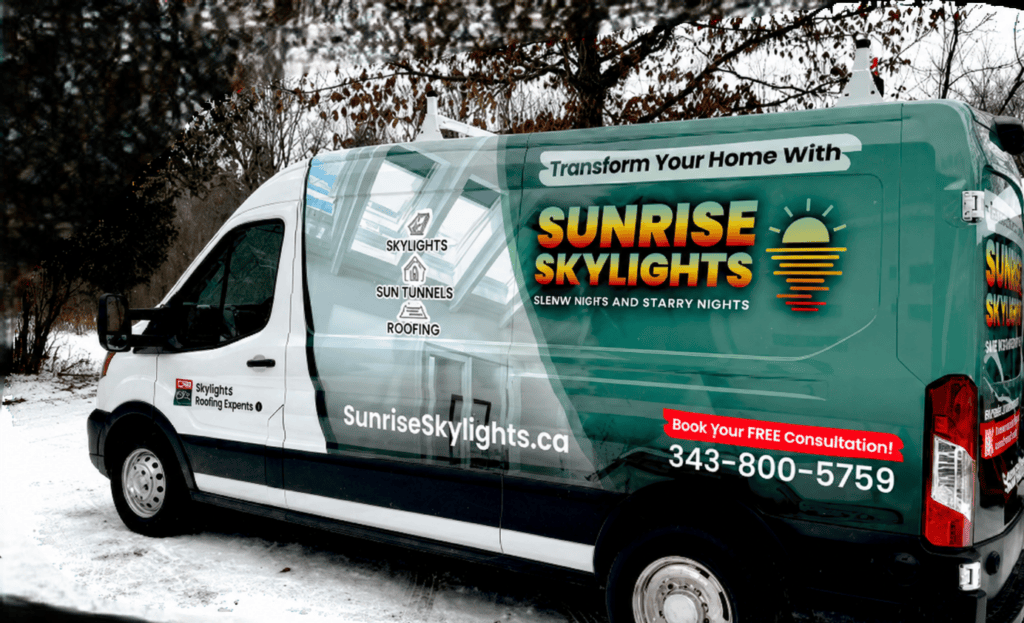

Skylights are one of the most effective ways to brighten a home, bring in natural light, and create a more open and comfortable living environment. They enhance energy efficiency, improve aesthetics, and offer a unique connection to the outdoors. However, like every part of a home’s roof, skylights require proper maintenance and occasional repairs to keep them performing at their best.
Carleton Place homeowners face specific challenges due to local climate conditions: heavy snow, winter freeze-thaw cycles, humid summers, and seasonal storm activity. These weather patterns can put extra stress on skylights, making repairs and regular upkeep an important part of protecting the home.
This comprehensive guide explains everything Carleton Place homeowners need to know about skylight repairs — from recognizing early warning signs to understanding the most common issues, how repairs are handled, and how to prevent problems in the future.
Why Skylight Repairs Are Important
A properly installed skylight is designed to last for years, delivering consistent natural light and ventilation. But over time, seals can wear down, flashing can fail, and glass can experience stress from weather changes.
If skylight issues are ignored, they can lead to:
- interior water damage
- mold or rot around the opening
- damaged insulation
- staining on walls and ceilings
- higher energy bills
- roof deterioration
Addressing skylight concerns early helps preserve the longevity of both the skylight and the surrounding roofing system.
Common Skylight Problems in Carleton Place Homes
1. Leaks Around the Skylight Frame
The most common skylight problem homeowners report is leakage. This typically happens when:
- flashing deteriorates
- seals dry out
- the skylight is aging
- improper installation creates gaps
Carleton Place’s freeze-thaw winters can accelerate wear, making leaks more likely if the skylight isn’t inspected regularly.
2. Condensation and Moisture Buildup
Condensation inside the skylight is common when:
- humidity levels in the home are high
- the skylight is older or not insulated properly
- ventilation is inadequate
Moisture can drip down onto drywall or cause fogging between glass panes.
3. Cracked or Damaged Glass
Skylight glass can become damaged due to:
- hail impact
- falling branches
- shifting temperatures
- long-term stress on older glass
A cracked skylight is not just a cosmetic concern — it compromises insulation and increases the risk of leaks.
4. Worn or Failed Flashing
Flashing is the waterproof barrier around the exterior of the skylight. If flashing is damaged, lifted, or improperly sealed, water can easily seep into the roof structure.
This is one of the leading causes of water intrusion after heavy rainfall or rapid snowmelt.
5. Drafts and Heat Loss
If a skylight is aging or its seals are compromised, homeowners may notice:
- cold drafts in winter
- heat gain in summer
- higher heating and cooling bills
Newer skylights include improved insulation and energy-efficient glazing to combat these issues.
6. Fogging Between Glass Panes
Double-pane skylights can lose their seal over time, causing moisture to get trapped inside the glass. This leads to fogging or water streaks that cannot be wiped away.
7. Structural Shifting Around the Opening
Wood framing and roof materials can shift over time due to weather, weight from snow, or installation movement. This can loosen the skylight frame or affect the angle of the unit.
Why Skylights in Carleton Place Need Attention Earlier Than Expected
The Carleton Place region experiences:
- heavy snowfall
- long winters
- sudden temperature swings
- periods of high humidity
- strong windstorms
These weather conditions heavily impact roofing systems and skylights. Seals and flashing expand and contract more frequently, and snow buildup can put pressure on the skylight’s exterior components.
Proactive maintenance is essential to avoid costly damage.
How Skylight Repairs Are Done
Repair methods depend on the type of problem. Here’s what homeowners can expect during common skylight repair scenarios:
1. Repairing or Replacing Flashing
Damaged flashing is a top cause of leaks. Repair involves:
- removing old or lifted flashing
- resealing or applying weatherproof materials
- installing new flashing
- reinforcing the water protection barrier
Proper flashing ensures water flows away from the skylight instead of pooling or seeping inside.
2. Resealing or Recaulking the Skylight
Seals around a skylight can dry out from sun exposure and temperature changes. Recaulking includes:
- removing deteriorated caulking
- cleaning the surface
- applying new, high-grade sealant
This provides a refreshed watertight barrier around the skylight.
3. Repairing or Replacing Damaged Glass
If the glass is cracked or compromised, replacement is recommended. Modern skylight glass is:
- energy-efficient
- double- or triple-glazed
- UV-protected
- built for superior insulation
Replacing old glass can improve comfort, safety, and energy performance.
4. Fixing Interior Water Damage
If leaks have already caused interior issues, repairs may include:
- replacing damaged drywall
- removing mold or moisture
- repairing insulation
- repainting stained surfaces
Addressing structural and cosmetic damage restores the home to its proper condition.
5. Correcting Ventilation or Condensation Problems
If condensation is frequent, repairs may involve:
- improving attic ventilation
- installing moisture control measures
- ensuring proper airflow around the skylight tunnel
- sealing interior gaps
This helps prevent humidity from collecting around the skylight.
6. Skylight Replacement
If the skylight is older, damaged beyond repair, or not energy-efficient, full replacement is often the best long-term solution.
New models provide:
- improved weather protection
- increased energy savings
- better insulation
- stronger seals and frames
- more durable materials
Replacement avoids ongoing patchwork repairs.
Signs Your Carleton Place Skylight Needs Professional Attention
Homeowners should watch for:
- water stains or discoloration around skylight
- peeling paint or bubbling drywall
- drafts near the skylight
- fogging between glass panes
- dripping water during storms
- visible cracks
- damaged shingles around skylight
- strange noises from wind infiltration
Catching these early helps prevent larger roof and interior damage.
How Often Should a Skylight Be Inspected?
Most experts recommend:
- Annual inspections
- Seasonal checks after major storms
- Winter assessments for snow load and ice buildup
Because Carleton Place has long winters and significant snow accumulation, skylights may require more frequent attention.
What Homeowners Can Do to Maintain Their Skylights
While some repairs require professional attention, homeowners can help maintain skylight performance with simple tasks:
1. Keep debris off the roof
Leaves, branches, and dirt can clog water pathways.
2. Check ceilings for stains
Early detection prevents long-term damage.
3. Monitor interior condensation
Sudden increases may indicate ventilation problems.
4. Clear snow around skylights (safely)
Heavy snow can place pressure on skylight frames.
5. Clean the interior glass
This improves light output and prevents buildup.
Why Proper Skylight Repair Matters
Timely repairs help homeowners avoid:
- water infiltration
- mold growth
- structural weakening
- decreased energy efficiency
- expensive restoration work
- roof deterioration
A skylight in good condition enhances comfort, protects home integrity, and ensures long-term performance.
When Repairs Aren’t Enough: Replacement Considerations
Sometimes repairing an older, outdated skylight is not as cost-effective as replacing it. Replacement may be recommended if:
- the skylight is more than 15–20 years old
- condensation is trapped between panes
- large cracks appear in the glass
- the frame or flashing is severely damaged
- leaks return after multiple repairs
- the skylight lacks modern insulation features
New skylight models offer major improvements:
- energy-efficient glazing
- updated weather seals
- UV protection
- stronger frames
- better ventilation options
Upgrading can also improve natural light quality and modernize the home’s interior.
Choosing the Right Skylight Type for Your Carleton Place Home
When replacing or upgrading, consider:
Ventilated vs. Fixed Skylights
Ventilated skylights allow airflow — helpful in humid areas like bathrooms and kitchens. Fixed skylights are better for brightening living rooms or hallways.
Glass Type
Modern skylights offer:
- tempered glass
- laminated glass
- double- or triple-glazing
Choose based on energy needs and location.
Skylight Size
The right size depends on:
- room dimensions
- ceiling height
- light goals
Proper sizing maximizes natural light without overpowering the space.
Preventing Future Skylight Issues
Once repairs or replacements are completed, homeowners can prevent future issues by:
- scheduling annual roof and skylight inspections
- keeping roof gutters clean
- improving attic insulation
- ensuring proper ventilation
- removing heavy snow
- watching for early warning signs
Regular maintenance ensures the skylight delivers years of reliable performance.
Conclusion: Protecting Skylights and Homes in Carleton Place
Skylights are a beautiful and functional upgrade, adding natural light, ventilation, and aesthetic appeal to homes across Carleton Place. But like any roof feature, they need proper attention and care to remain effective.
By understanding common skylight issues, recognizing early warning signs, maintaining the surrounding roof structure, and knowing when to repair or replace, homeowners can protect their investment and ensure their skylights enhance their living space for years to come.