
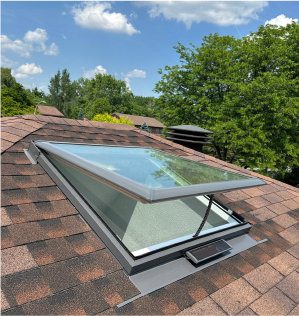
As Kanata continues to grow with a mix of older homes, new builds, and multi-level modern designs, homeowners are becoming increasingly aware of how important attic ventilation is for overall comfort and energy efficiency. While insulation often gets the attention it deserves, attic ventilation is just as critical. It controls airflow, regulates temperature, reduces moisture, and helps maintain a balanced and healthy home environment.
Poor ventilation can lead to uneven temperatures, higher utility bills, roof damage, and discomfort throughout the home. Proper ventilation, on the other hand, supports the entire roofing and insulation system, creating a more stable and comfortable living space year-round.
This in-depth guide explores how attic ventilation works, why it’s especially important in Kanata’s climate, and the many ways it improves comfort, air quality, and energy efficiency inside the home.
Understanding Attic Ventilation: What It Does and Why It Matters
Attic ventilation is the process of allowing fresh air to circulate through the attic space. Homes typically rely on a combination of intake vents (placed at the soffits or eaves) and exhaust vents (such as ridge vents or roof vents) to create natural airflow.
This ventilation system works by removing warm, moist, or stale air from the attic and replacing it with cooler, drier air from outside. Without this continuous exchange, the attic becomes stagnant — creating temperature imbalances and moisture issues that affect comfort throughout the entire home.
Why Attic Ventilation Is Essential in Kanata’s Climate
Kanata’s weather patterns make ventilation particularly important. Local homeowners face:
- Hot, humid summers
- Cold, snowy winters
- Temperature swings in spring and fall
- Heavy freeze-thaw cycles
Each season brings its own challenges — and proper attic ventilation helps address them all.
Summer Challenges
During hot months, attic temperatures can exceed 50–65°C (120–150°F). Without ventilation, this heat radiates downward, warming the home and forcing air conditioners to work harder.
Winter Challenges
In winter, trapped humidity causes condensation, frost, mold, and potential wood rot. Heat escape from the home can also cause snow on the roof to melt and refreeze, creating dangerous ice dams.
Ventilation keeps the attic at a more stable temperature, which prevents these problems and supports year-round comfort.
1. Improves Temperature Control Throughout the Home
One of the most noticeable benefits of proper attic ventilation is more balanced indoor temperatures. Homes with poor airflow often experience:
- very hot upper floors in summer
- cold rooms in winter
- inconsistent temperatures between rooms
- overworked heating and cooling systems
How Ventilation Fixes This
- Allows hot air to escape the attic in summer
- Prevents heat from radiating into bedrooms or living areas
- Keeps attic temperatures stable in winter
- Reduces temperature spikes caused by sun exposure
- Helps HVAC systems maintain even heating and cooling
For families in Kanata, where homes often have significant attic space above living areas, this improvement is immediately noticeable.
2. Reduces Energy Bills by Helping Your HVAC System Work Less
Heating and cooling make up a large portion of home energy usage — and your attic plays a major role. When the attic overheats or traps cold air, HVAC systems need to run longer and work harder to maintain comfortable temperatures.
With Proper Ventilation:
- the attic no longer traps excessive heat
- cooling systems run more efficiently in summer
- heating systems maintain warmth without fighting attic drafts
- overall energy consumption decreases
Homeowners often begin to see savings almost immediately after improving attic ventilation.
3. Extends the Lifespan of Roofing Materials
Heat, moisture, and condensation are the three biggest threats to roof longevity. When the attic is not properly ventilated, these forces accelerate the aging process.
Heat Damage
High attic temperatures warp shingles, soften adhesives, and weaken roofing materials.
Moisture Damage
Moisture trapped in the attic gets absorbed into the roof deck, leading to:
- wood rot
- mold
- structural weakening
Ice Dams
Ventilation helps regulate temperature along the roofline, reducing the melting and refreezing that create ice dams.
Proper ventilation protects the roof from premature deterioration, saving homeowners thousands in future repairs.
4. Prevents Ice Dams — One of Kanata’s Most Common Winter Roofing Issues
Ice dams are a serious winter hazard in the Kanata region. They occur when warm air escaping into the attic melts snow on the roof. The melted water runs down and refreezes at the eaves, forming a ridge of ice.
The Result:
- water backs up under shingles
- leaks enter the home
- insulation becomes soaked
- structural damage occurs
- mold can develop inside walls
Ventilation Helps Prevent Ice Dams By:
- maintaining a colder attic temperature in winter
- reducing heat escape from the living area
- keeping snow from melting unevenly
With proper attic ventilation and insulation combined, ice dams can be largely prevented.
5. Reduces Moisture, Condensation, and Mold Growth
Moisture buildup is one of the leading causes of attic and roof problems. Activities like showering, doing laundry, cooking, and daily breathing all release moisture into indoor air. Without proper ventilation, this humid air travels into the attic and becomes trapped.
Moisture Leads To:
- mold growth
- mildew
- wood rot
- damaged insulation
- structural decay
Ventilation Solves This By:
- allowing moist air to exit the attic
- drawing in dry, cool air from outside
- balancing humidity levels
- protecting insulation and the roof structure
This is essential in Kanata, where winter humidity combined with attic temperature fluctuations can create frost buildup inside the attic.
6. Helps Insulation Perform More Effectively
Insulation and ventilation work together to maintain a comfortable home. Insulation slows heat transfer, while ventilation controls moisture and temperature.
Without Ventilation:
- insulation becomes damp
- R-value decreases
- mold forms inside insulation
- heat loss increases
- cooling becomes less efficient
With Proper Ventilation:
- insulation stays dry
- R-value remains stable
- energy efficiency is maximized
- attic stays within an ideal temperature range
Homeowners often improve insulation without improving ventilation — but for best performance, both must work together.
7. Contributes to Better Indoor Air Quality
Because stale or moist air in the attic eventually circulates back through the home, poor ventilation can contribute to:
- indoor odors
- increased allergens
- mold spores in the air
- overall reduced indoor air quality
Good attic ventilation reduces these risks by providing a continuous exit for stale air and moisture.
This is particularly important for modern Kanata homes built with tighter building envelopes that limit natural airflow.
8. Protects the Home During Kanata’s Extreme Weather Seasons
Kanata experiences seasonal weather extremes that test roofing systems.
In Summer
Temperatures rise quickly, and sunlight heats roof surfaces. Without ventilation:
- attics become extremely hot
- heat radiates downward
- air conditioning systems struggle
Ventilation allows hot air to escape and prevents heat buildup.
In Winter
Cold temperatures trap moisture and cause condensation. Without ventilation:
- frost forms inside the attic
- moisture damages wood framing
- mold spreads
Ventilation helps airflow remain steady, preventing cold-weather attic issues.
9. Encourages a Longer Roof Lifespan and Fewer Repairs
When ventilation and insulation work together, roofing systems stay healthier for longer. Proper airflow helps:
- protect shingles from premature wear
- prevent leaks caused by condensation
- reduce risk of rot or moisture-related damage
- stabilize temperatures in the attic
- reduce emergency winter repairs
Homeowners in Kanata benefit from fewer unexpected issues and longer-lasting roofing systems.
10. Enhances Home Comfort Without Major Renovations
Many home comfort upgrades require significant renovations — replacing windows, redoing siding, or redesigning ventilation systems. Improving attic ventilation, however, is usually simple, cost-effective, and minimally disruptive.
Common Ventilation Upgrades Include:
- adding soffit vents
- upgrading ridge vents
- installing roof vents
- opening existing soffits that may be blocked
- combining intake and exhaust systems for balanced airflow
These upgrades dramatically improve comfort without requiring major structural changes.
Signs Your Kanata Home May Have Poor Attic Ventilation
Homeowners should watch for these common indicators:
- hot second floor in summer
- ice dams forming along the roof
- cold drafts in winter
- musty or damp attic odors
- mold on rafters or insulation
- peeling paint inside rooms
- excessive attic frost
- uneven temperatures between rooms
- high energy bills year-round
These symptoms often point to restricted airflow in the attic.
How to Improve Attic Ventilation in a Kanata Home
Ventilation should always be balanced — meaning sufficient intake air (from soffits) and exhaust air (from roof or ridge vents). Here’s how to improve it:
1. Add or Open Intake Vents
Soffit vents bring in fresh air from outside.
2. Install or Upgrade Ridge Vents
These vents run along the roof ridge and allow hot air to escape.
3. Add Roof Vents Where Needed
For complex roof structures, additional roof vents may be required.
4. Ensure Soffits Are Not Blocked
Insulation should never obstruct intake airflow.
5. Pair Ventilation with Proper Insulation
Both are needed to stabilize temperature and moisture levels.
6. Keep Vents Clean and Free of Debris
Blocked vents significantly reduce airflow.
The Long-Term Benefits for Kanata Homeowners
Proper attic ventilation doesn’t just improve comfort — it delivers lasting value:
- Lower heating and cooling bills
- Fewer roofing repairs
- Improved home comfort in every season
- Protects insulation performance
- Reduces mold and moisture problems
- Prolongs roof lifespan
- Improves indoor air quality
For Kanata homeowners looking for smart, effective home upgrades, attic ventilation is one of the most impactful improvements available.
Conclusion: Why Attic Ventilation Matters in Kanata
Proper attic ventilation is essential for comfortable, energy-efficient living in Kanata. With a climate that experiences both hot summers and long, cold winters, homes depend on stable attic airflow to maintain temperature balance, prevent moisture issues, and ensure long-lasting roof health.
By improving ventilation — and ensuring it works together with proper insulation — homeowners can create a healthier, more efficient, and far more comfortable home environment all year long.